

Product page optimization begins by answering the questions that stop customers buying: Is this right for me? What will I receive? What will I pay? When will it arrive? Improving conversion involves information, usability, and traffic quality together. Use this guide to build pages that support informed decisions and measure the impact of each change.
Shopyzee Merchant Guide: Practical steps and illustrative examples to help you make informed decisions for your online store.
Give every page element a clear purpose
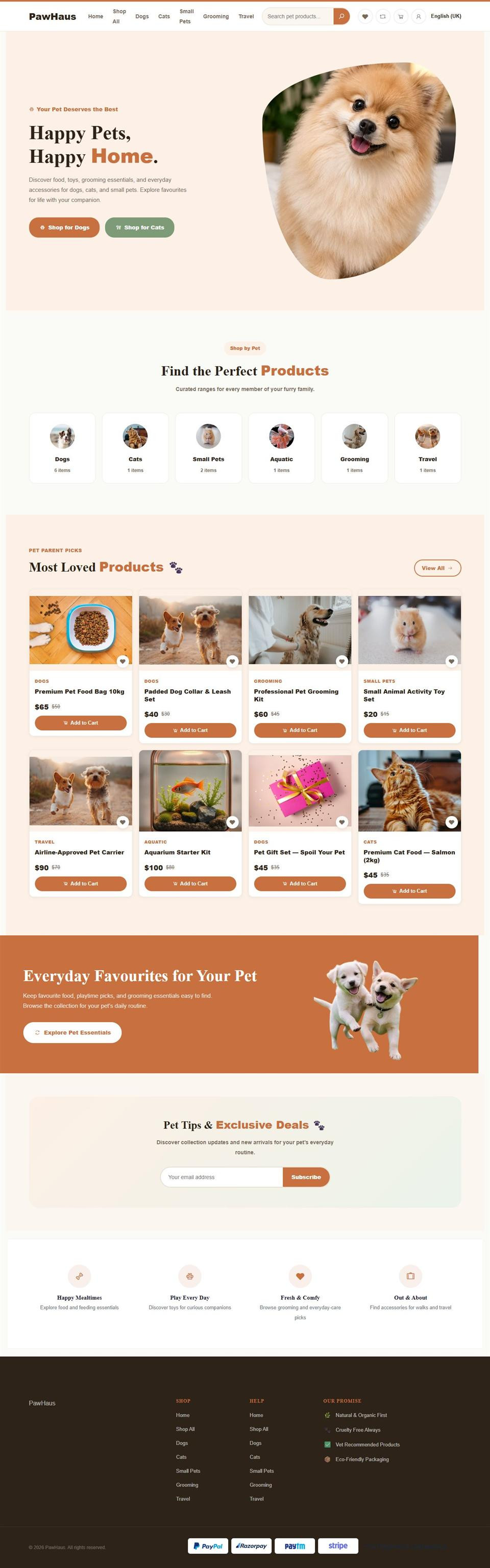
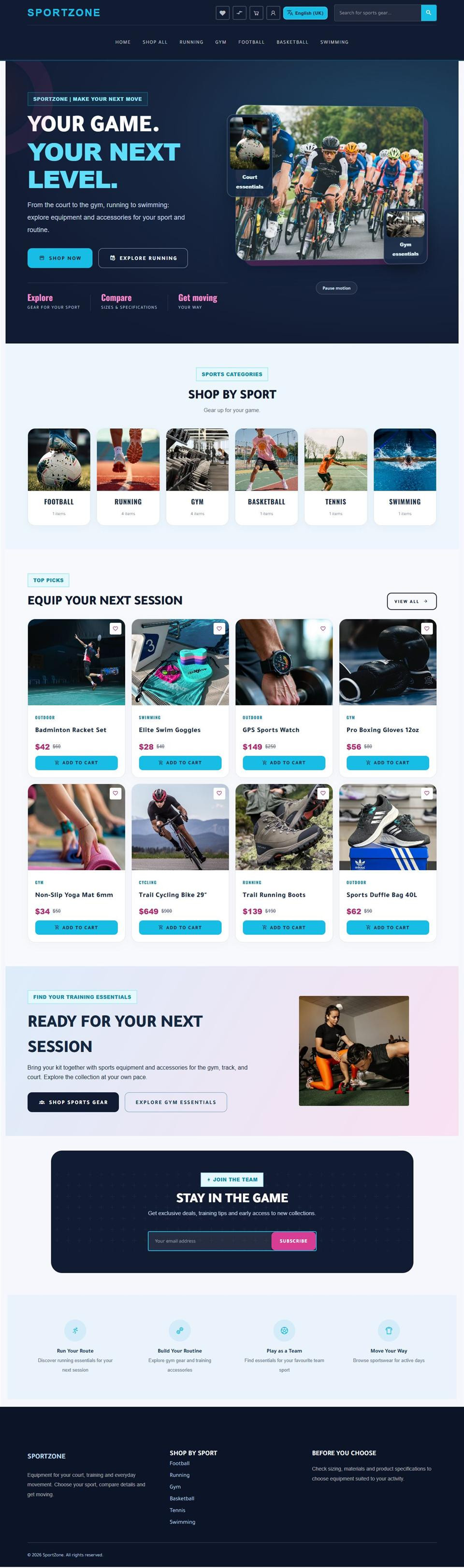
Arrange the product name, main image, price, variants, and add-to-cart button in an understandable order. Then provide specifications, care, delivery, returns, and usage questions. Place important information near the step where the customer needs it instead of scattering it randomly.
Open the page on a small phone and use it with one hand. Can the customer read the price, select a size, and see the result of pressing the button? Check contrast, spacing, and text size. Avoid pop-ups that cover the product immediately on arrival.
Use images that actually explain the product
Prepare a main image, additional angles or variants, and an image showing scale in a real setting. Show material detail where it matters and clarify the contents of multi-item packages. Match variant photos to the correct colour so shoppers understand what is available.
Avoid photography that promises an outcome the product cannot deliver or hides a material limitation. Collect customer questions and add the view that answers them. Image compression should preserve essential details while reducing unnecessary loading.
Turn specifications into understandable answers
Start with a specific benefit and provide supporting facts. Instead of excellent quality, explain materials, dimensions, suitability, and care. A measurement guide may help clothing shoppers more than a long promotional paragraph. Tools need clear compatibility and package contents.
Editorial example: A bag for laptops up to 15.6 inches, with a separate charger pocket is clearer than A perfect bag for everyone, provided the specification is accurate. Explain exclusions when confusion is possible, such as a device shown in a photo but not included.
Explain price and delivery before surprises arise
Show the price and availability of the selected variant. Explain additional charges and how delivery cost is calculated. Where timing depends on city or product, give a clear estimate and its conditions rather than one promise you cannot meet in every case.
Make return conditions and support easy to find. Do not use fake countdowns or last-item claims disconnected from actual inventory. Trust comes from accurate information and a consistent experience rather than artificial visual pressure.
Distinguish conversion from cart abandonment
Store conversion rate can be calculated as orders divided by sessions, multiplied by 100, using consistent order definitions and periods. Product-page conversion needs a defined outcome: an add-to-cart event or a purchase following a product view. Do not compare percentages based on different definitions.
Customers may add items to compare and return later. Find the point of friction: size selection, delivery calculation, account registration, or payment confirmation. Fixing a specific obstacle is more useful than offering every visitor a discount without diagnosis.
Test one hypothesis and monitor the result
Write a measurable hypothesis, such as placing package dimensions near photos will reduce sizing questions. Define the metric and observation period first. For split tests, check fair traffic allocation and sufficient data; small differences with few orders may be ordinary variation.
Hypothetical example: 20 orders from 1,000 sessions is 2%; 25 orders from 1,000 sessions is 2.5%. The absolute change is half a percentage point. These figures alone do not establish causation or lasting improvement. Review traffic sources, availability, and promotions during comparisons.
Connect conversion to the experience after purchase
A page that raises orders while creating false expectations can increase returns and complaints. Review return reasons and questions after delivery, then improve photos and descriptions. Aim for a suitable order the store can fulfil well.
Use product, variant, and page management in Shopyzee according to your plan to organize information. Before enabling an extension, assess its purpose and effect on speed and privacy. More features cannot compensate for an unclear price or incomplete description.
Frequently asked questions about conversion optimization
What is a good conversion rate? It varies by sector, price, source, and device. Establish your own baseline and compare similar periods instead of relying on a general number that does not represent your business.
Should I start with a discount? The obstacle may be sizing, delivery, or trust. Improve information and usability first, then test an affordable offer and measure its net result.
Take your next step with Shopyzee
Choose one improvement from this guide, apply it to a small store or selected product group, and review the outcome. Explore Shopyzee store templates and compare available plans and capabilities to suit your business stage. Features and integrations vary by plan, market, and store configuration.






























Sign In to Comment
Don't have an account Sign up