

Starting a successful online store begins with a clear customer and an offer you can deliver reliably. Design matters, but launch readiness also depends on products, inventory, payments, shipping, and customer service. Use this guide to organize decisions before spending on marketing and turn your idea into a store you can test and improve.
Shopyzee Merchant Guide: Practical steps and illustrative examples to help you make informed decisions for your online store.
Start with one customer and a specific problem
Write down who will buy, why they need the product now, and what alternative they currently use. Instead of targeting every coffee enthusiast, start with office workers looking for suitable brewing tools. Review questions people ask about comparable products, then choose a problem you can solve with better information, a better product, or better service.
Validate the idea through conversations with potential customers and a small, deliverable offer. Likes alone do not prove demand. Look for serious questions, willingness to buy, and an acceptable price. Do not forecast sales simply because a sector looks fashionable.
Choose a manageable starting assortment
Begin with related products rather than a large catalogue that is difficult to photograph and stock. Record each supplier, lead time, minimum order quantity, and available variants. Give every colour or size its own identifier, and explain what the price includes and what is sold separately.
Order a sample where possible and check packaging, dimensions, and materials. Attractive photography cannot compensate for a product that differs from its description. Keep a simple issue log so supplier mistakes do not recur in later orders.
Calculate order costs before setting prices
Add product cost, packaging, payment fees, fulfilment work, and any shipping subsidy. Separate fixed expenses, such as subscriptions, from costs that change with each sale. This prevents you from confusing higher revenue with improved profitability.
Illustrative example: a selling price of 150 currency units, less 70 for the product, 8 for packaging, 5 for payment, and 12 for shipping support, leaves 55 before marketing, fixed expenses, and applicable taxes. These are hypothetical figures. Use your actual costs to build room for promotions and returns.
Build the pages customers need to decide
Create a clear route from the homepage to categories, product pages, the cart, and checkout. Add accurate information about your business, contact options, and policies that apply to your activity. Explain shipping costs or how they are calculated, estimated delivery times, and return conditions before the final checkout step.
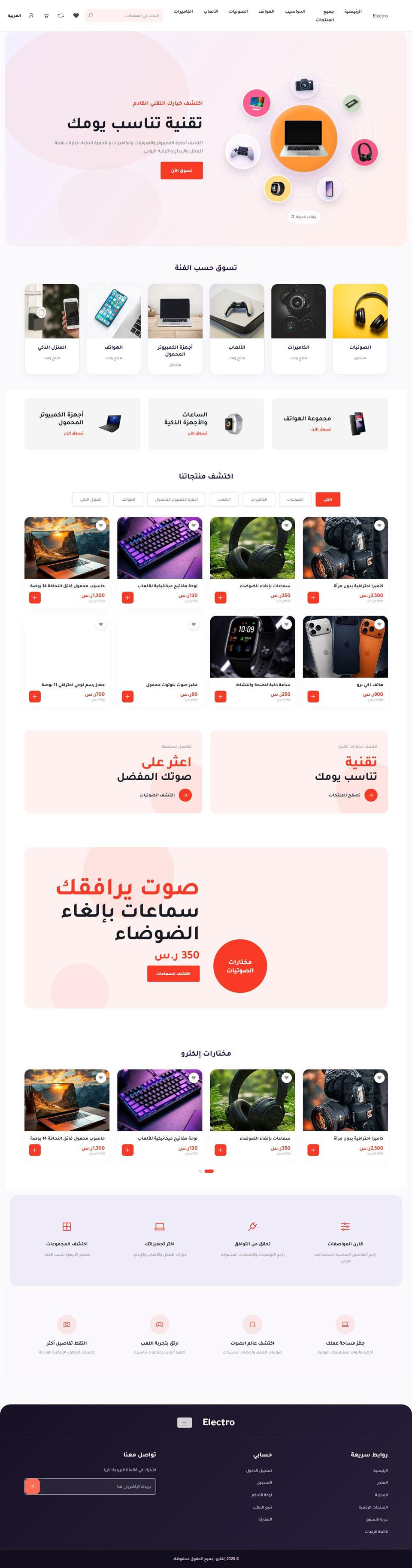
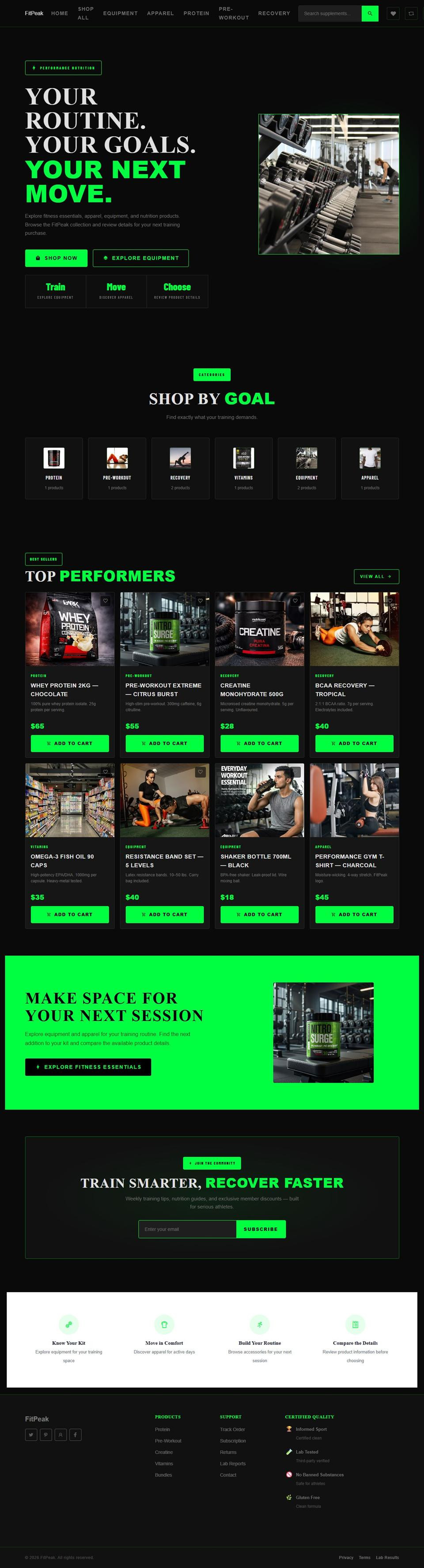
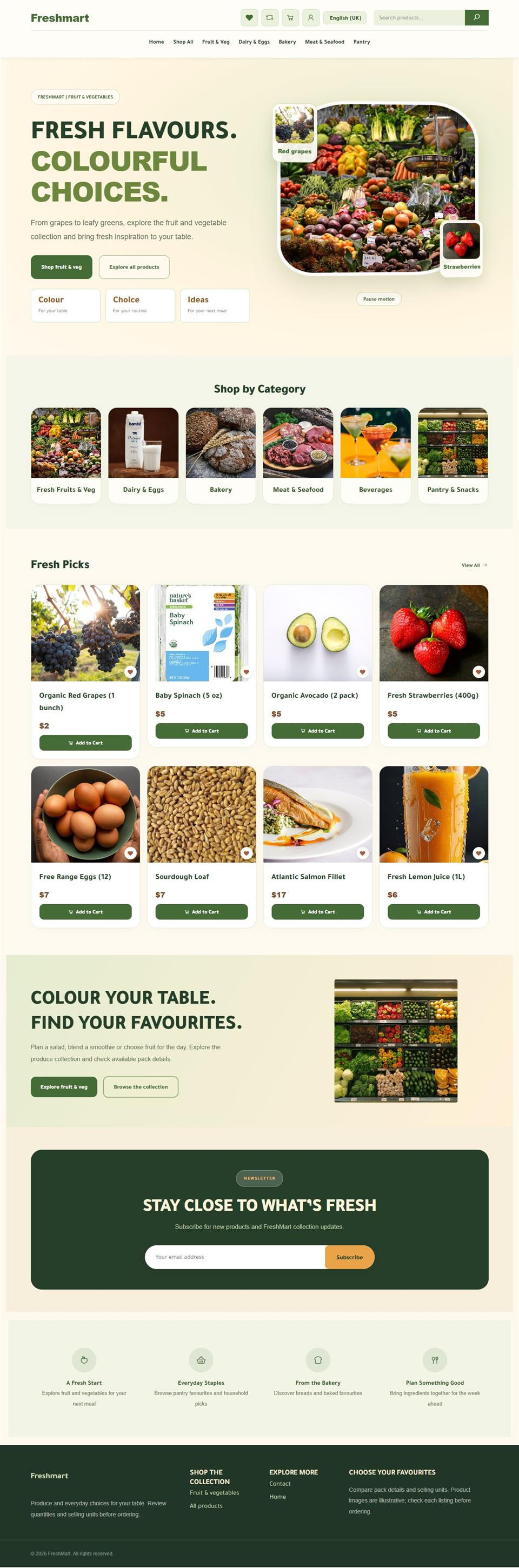
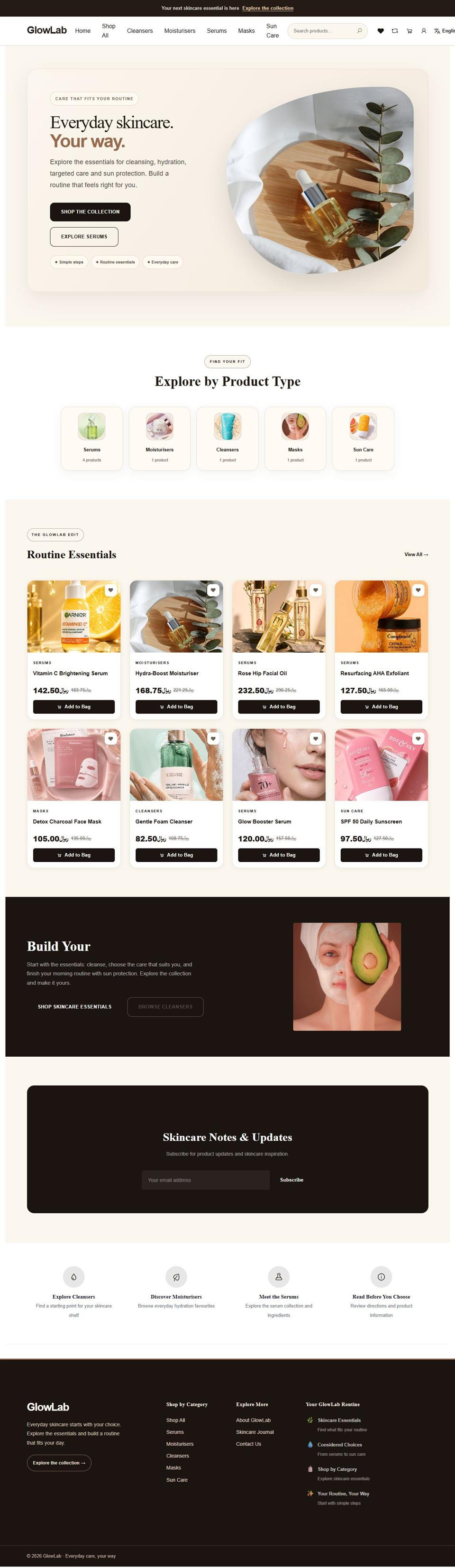
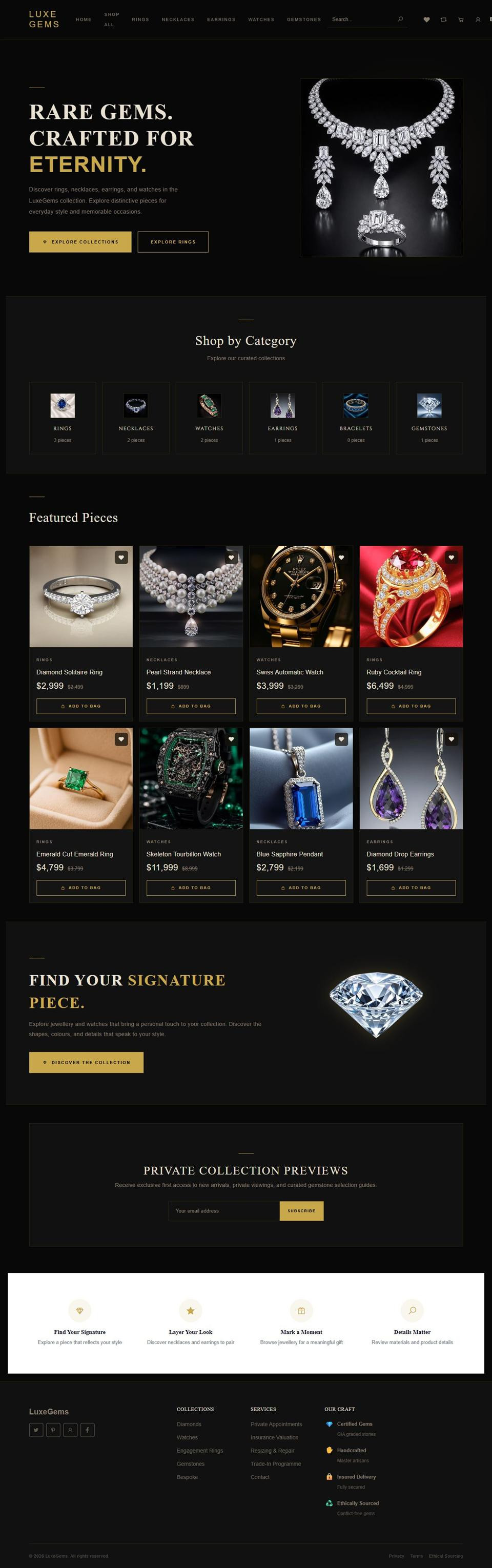
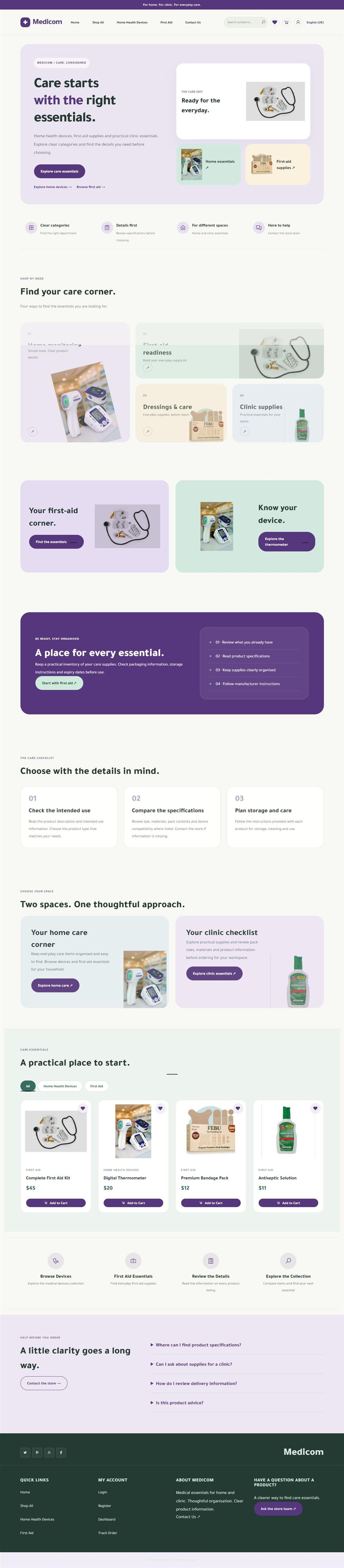
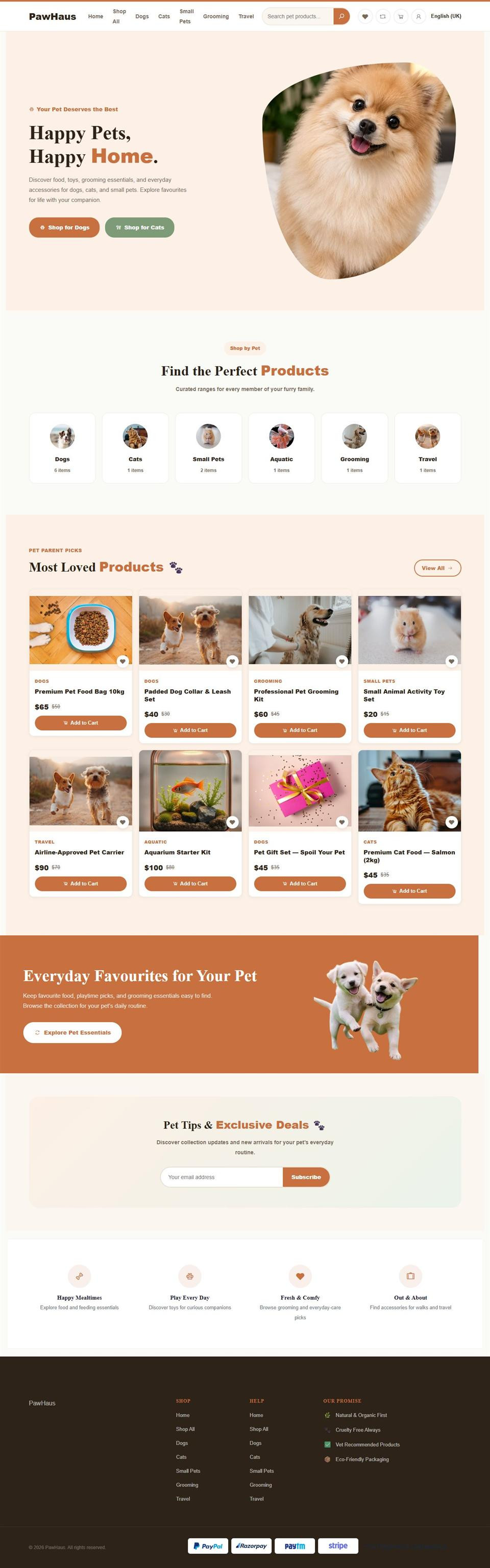
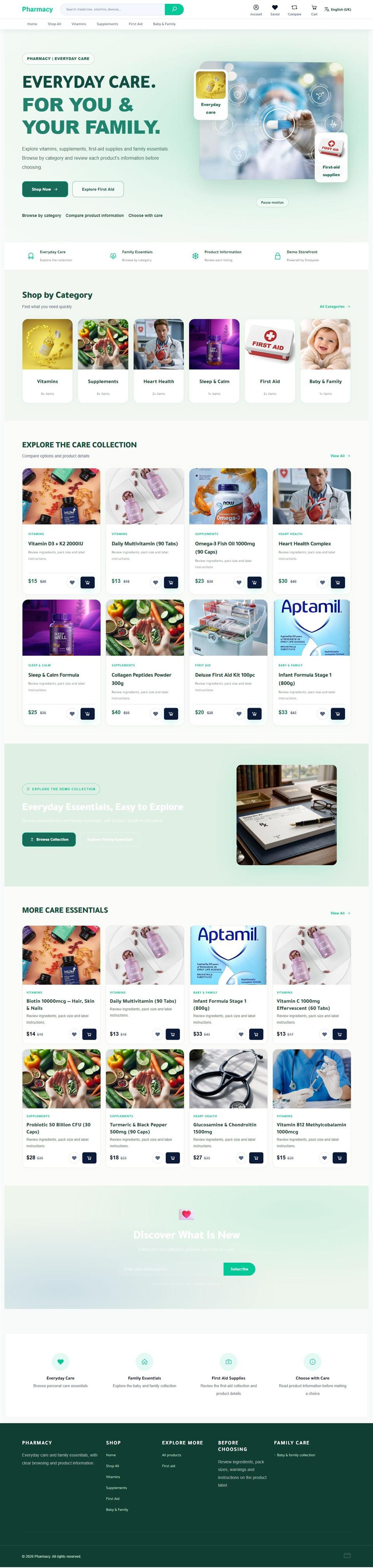
With Shopyzee, you can start with a template, customize pages, and manage products from your dashboard according to your plan. Choose a layout that fits your assortment and how customers browse. Check that buttons and images remain clear on mobile.
Test a complete purchase before advertising
Place a test order on a phone: select the correct variant, change quantity, enter an address, review the total, and complete payment using a test environment or another method permitted by your provider. Check order confirmation, inventory updates, and the handover to fulfilment.
Also test an out-of-stock item, an address outside your delivery area, and an invalid discount code. Prepare a clear response for each situation and remove test prices and messages. Know who will monitor orders and answer enquiries before launching campaigns.
Launch in stages and measure what happens
Start with an audience you can serve and gather real feedback on descriptions, payment, and delivery. Track product visits, additions to cart, completed orders, and recurring questions. If traffic rises without cart additions, review the offer and information before increasing advertising spend.
Plan your first week: spend two days reviewing questions, two days improving product pages, then test an additional traffic source. Change one factor at a time to understand its effect. Store growth needs an ongoing learning cycle, not just a perfect launch day.
Use a launch readiness checklist
Before publishing, confirm prices and quantities, match images to variants, test contact channels, clarify policies, complete a test order, and assign fulfilment responsibility. Keep a copy of product data and review team permissions. These practical checks matter more than decorative elements that do not help the buying decision.
Frequently asked questions about starting an online store
Do I need to code? A hosted platform such as Shopyzee can reduce manual development work when creating and customizing a store. Specialized integrations or unusual project requirements may still need professional assistance.
How many products should I launch with? There is no universal number. Choose an assortment you can describe, source, and support well. Expand based on demand, margin, and customer feedback rather than a desire to fill the store.
Take your next step with Shopyzee
Choose one improvement from this guide, apply it to a small store or selected product group, and review the outcome. Explore Shopyzee store templates and compare available plans and capabilities to suit your business stage. Features and integrations vary by plan, market, and store configuration.


























Sign In to Comment
Don't have an account Sign up